
Why Broadcast Audio Is Due For A Revolution

Key Takeaways
- Broadcast audio has not kept pace with video, with many productions still relying on legacy tools that limit flexibility, coverage, and consistency in modern live broadcast environments
- Traditional setups using shotgun and parabolic microphones require constant manual positioning, making it difficult to capture dynamic sound and maintain consistent audio across fast-paced productions
- These limitations impact the viewer experience, where missed on-field audio, inconsistent levels, and reduced clarity weaken immersion and limit how well audio supports visual storytelling
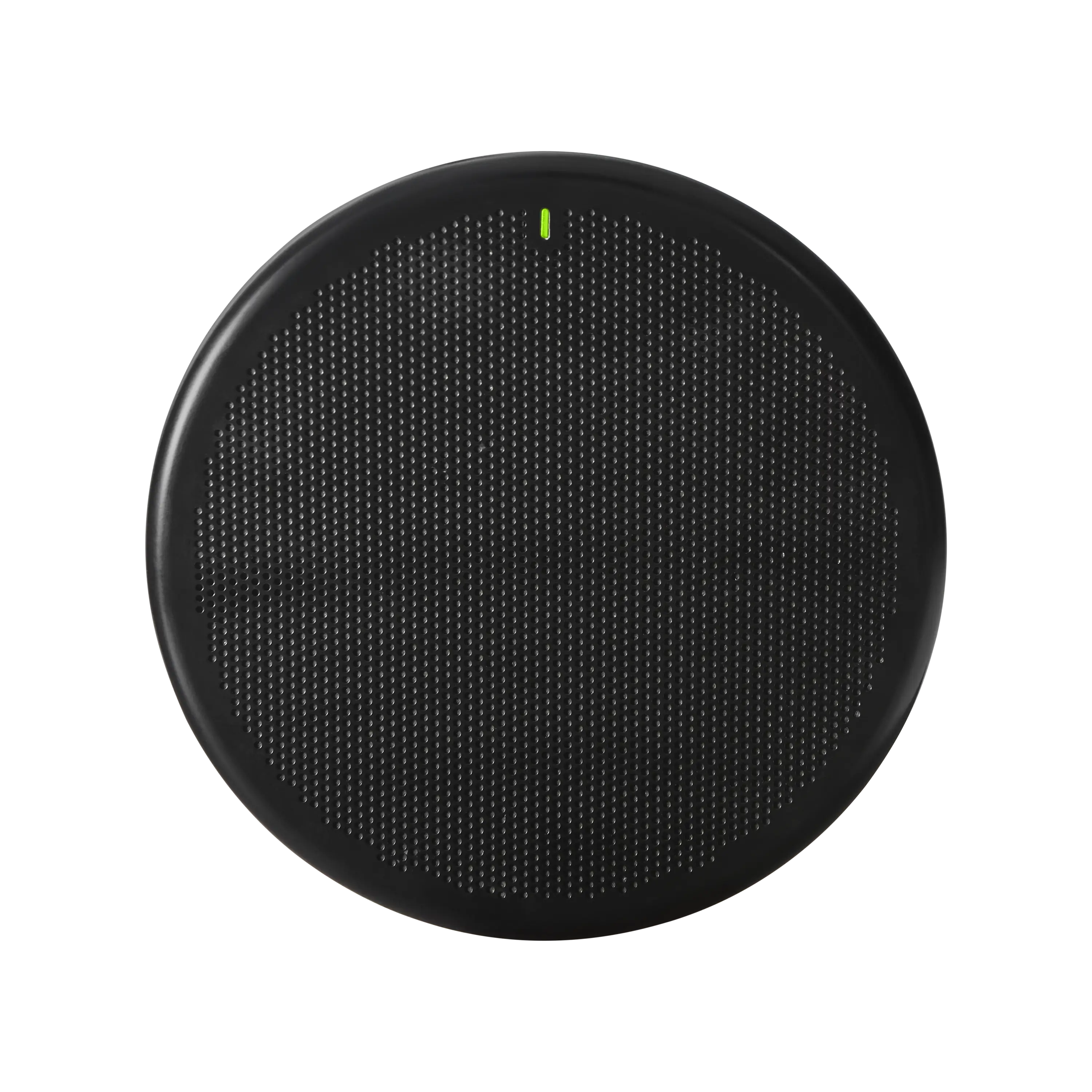
- The Shure DCA901 is a digital broadcast microphone array that captures audio across wide areas, combining multiple microphones into a single system for precise directional audio capture without fixed placement
- With steerable lobes, integrated DSP, and a single connection for audio, power, and control, the DCA901 allows you to isolate key sound sources, reduce ambient noise, simplify setup, and deliver more consistent broadcast audio across complex productions
Visuals Advanced. Audio Stalled.
From black and white to 4K and beyond, the visual side of broadcast production has made remarkable progress. The viewing experience has improved across every screen. Meanwhile, the tools used in live audio capture for broadcast have stayed largely the same.
Engineers have long relied on trusted solutions like shotgun and parabolic microphones. These tools have served the industry well. But today’s productions call for more flexibility, broader coverage, and greater consistency in audio quality.
Why Has Broadcast Audio Fallen Behind?
- Visual innovation has led the conversation in broadcast
- Legacy audio tools are deeply embedded in established workflows
- New sound technologies have taken longer to gain adoption in live production
Today’s viewers expect sound to match the quality of the visuals. In sports and live events especially, immersive audio enhances the experience and brings audiences closer to the moment. To meet these expectations, broadcast audio must evolve.
Why Shotgun and Parabolic Microphones Still Dominate
For decades, live broadcasts have relied on shotgun mics and parabolic mics to capture event audio.
Shotgun microphones provide a point-of-view audio capture that aligns with visual content. They offer portability and ease of use, but have limitations in consistency and directionality. To achieve high directionality, shotgun mics need to be physically long, which can limit placement options in fast-paced environments.
Parabolic microphones are often used to capture distant sounds, such as those in football, or when pointing at fixed locations, like the pitcher’s mound in baseball. While parabolics can isolate specific audio, they require human operators to steer them accurately. Even slight misalignments can result in high-frequency sounds being missed.
Shotgun and parabolic microphones remain widely used because they perform the intended tasks and are familiar to audio engineers. However, their limited flexibility and reliance on operator precision can reduce their effectiveness, especially in today’s high-performance broadcast environments.
Limitations of Legacy Analog Microphones for Broadcasting:
- Long shotgun mics can be difficult to position discreetly
- Parabolic microphones require continuous manual aiming to stay accurate
- Fixed-point captures limit adaptability in dynamic environments
- Rising crowd noise makes it harder to isolate key sounds
Engineers continue to deliver strong results with these tools. However, the manual adjustments and setup complexity required can slow workflows and increase the risk of missing critical audio moments in broadcast production.
Missed Moments, Missed Impact
The limitations of legacy sports microphones can have a direct impact on the viewer's experience. While video captures every visual detail, important sounds, like subtle cues, player communication, and the raw excitement, can often be muted or lost.
The disconnect between video and audio weakens the immersive experience that modern viewers crave. When sound quality falls behind, the storytelling of the broadcast can suffer.

Challenges in Sports:
- Basketball: In-venue music and announcements make it difficult to isolate court sounds
- Baseball: Crowd reactions often overpower the crack of the bat or infield communication
- Soccer: Large pitch and deafening crowd can drown out player interaction and subtle game sounds
Without these details, the broadcast can feel less immediate and less connected to the action. Engineers often work around these challenges, but doing so requires extra equipment, coordination, and time.
Why a Broadcast Microphone Array Changes the Game
A microphone array is an innovative approach to broadcast audio that transforms how sound is captured. It leverages the power of multiple microphones working together to create a single enhanced audio stream.
This setup enables a level of precision and flexibility that traditional broadcast microphones cannot achieve, helping you capture more consistent and controlled sound across complex environments.
Advantages of a Broadcast Microphone Array:
- Steerable Lobes: Dynamically adjusted in real-time to provide precise directional control
- Noise Isolation: Focuses directional lobes across capture angles to minimize ambient noise
- Enhanced Audio: Captures natural, unfiltered sound without the physical limitations of shotgun or parabolic mics
This approach enables broadcasters to deliver richer, more authentic audio experiences with a single microphone, revolutionizing the way live broadcast audio is captured and experienced.
The DCA901: Built for the Future of Broadcast
Introducing the DCA901, a groundbreaking digital broadcast microphone array that sets a new standard for broadcast audio capture. This compact digital microphone array delivers high-fidelity sound through eight channels via a single network cable.
The DCA901 is designed for versatility, making it suitable for a wide range of environments, including stadiums, live events, and studios.
How DCA901 is Redefining Broadcast Audio Capture:
- Captures up to eight isolated audio channels from a single broadcast array microphone
- Steerable lobes let you virtually adjust pickup zones, reducing mic count and eliminating manual repositioning
- A single Dante or AES67 connection delivers audio, power, and control, reducing setup complexity and failure points
- Built-in DSP handles EQ, compression, delay, and automixing to simplify your mix at the source
- Actively supports REMI workflows and alternate feeds with flexible routing and remote lobe control
- Presets speed up deployments and ensure consistent configurations across shows or seasons
- Supports seamless 5.1 immersive capture and stereo conversion for both modern and legacy formats
- Low-profile design installs cleanly in stadiums, studios, or mobile setups and doesn’t distract in camera-ready environments
The DCA901 seamlessly integrates into professional broadcast audio workflows. Its ability to provide broad coverage with minimal ambient noise has sparked excitement and creativity among engineers, unlocking new possibilities for broadcast.
Hear What Engineers Are Saying
Broadcast professionals have been impressed by the DCA901’s vibrant sound quality, describing it as “more live” and “more present.” Its ability to capture authentic event sound without coloring or distortion has been well received. This feedback highlights the DCA901’s transformative impact on broadcast audio, ensuring every sound is flawless and engaging.
Setting a New Standard for Broadcast Audio
For those looking for more detail, greater efficiency, and stronger control over storytelling, it’s time to consider a new approach. The DCA901 represents a milestone in broadcast audio capture, bringing renewed excitement and precision to live production and meeting the rising demand for immersive sound that matches high-definition visuals.
Experience the DCA901 firsthand and discover how it can elevate your broadcasts. Learn more.
FAQ: Broadcast Audio and the DCA901
What makes the DCA901 different from traditional broadcast microphones? Unlike shotgun and parabolic microphones that rely on fixed positioning and manual aiming, the DCA901 uses a digital microphone array with steerable lobes to create adjustable, highly directional pickup zones. This allows engineers to capture audio across wider areas and maintain consistent coverage without physically repositioning microphones.
How does the DCA901 capture audio across large broadcast environments? The DCA901 combines multiple microphones into a single system and creates multiple independently controlled lobes that can be positioned across a field or court. This allows it to cover key areas simultaneously while maintaining precise directional audio capture.
How does the DCA901 reduce the need for multiple microphones? By using multiple steerable lobes within a single microphone array, the DCA901 can replace setups that would normally require several shotgun or parabolic microphones. This reduces hardware, simplifies positioning, and minimizes the need for manual adjustments during a broadcast.
How does the DCA901 improve broadcast audio capture? The DCA901 captures multiple isolated audio channels from a single system and uses steerable lobes to control where sound is picked up. This reduces ambient noise, improves consistency, and allows engineers to capture clearer, more focused audio across wide and complex broadcast environments.
How does the DCA901 simplify broadcast workflows? The DCA901 combines audio capture, processing, and routing into a single solution. With a single connection for audio, power, and control, along with built-in DSP for automixing and sound shaping, it reduces setup complexity, minimizes hardware, and improves efficiency in live broadcast production.
相关产品和配件

How Leading Churches Are Improving Congregation Sound Capture in Their Livestreams
Digital array microphone technology is helping churches improve congregation sound capture in every church live stream with greater clarity, consistency, and cost-effectiveness. By better capturing congregational worship and room response, churches can create more immersive livestream audio experiences while simplifying system design and reducing microphone complexity.
SLX-D+ vs. SLX-D: Trusted by Professionals, Designed for Everyone
SLX-D+ takes everything you love about SLX-D wireless microphone systems and makes it even better. With an expanded wide-tuning range, ShowLink® Ease for remote control, encryption, and digital feedback reduction, SLX-D+ delivers reliable, professional wireless audio with even greater control and flexibility.
AI in Broadcast Audio: How Shure and the DCA901 Are Changing Live Production
Discover Shure’s breakthrough with Agentic AI at IBC 2025, where the DCA901 Broadcast Microphone Array and intelligent audio agents are helping broadcast engineers focus more on creative storytelling and less on managing equipment.
The Next Revolution in Sports Broadcasts Starts with Intelligent Audio
Intelligent audio is transforming sports broadcasting — bringing fans closer to the action than ever before. Discover how the Shure DCA901 Broadcast Microphone Array and Edge Sound Research’s Virtual Sound Engine deliver immersive, front-row sound experiences and streamline production workflows.
ANX4 Scalable Wireless Receiver: More of What You Want and Less of What You Don't
Shure’s ANX4 is a scalable, high-tier wireless receiver designed for large channel-count environments. Up to 16 Axient Digital or 24 ULX-D channels can be managed via ShureCloud for flexible allocation across devices. ANX4 maximizes rack space, offers wide tuning (174 MHz–2 GHz), integrated Dante/AES67 outputs, and streamlined antenna setups, delivering cost efficiency and adaptability for complex productions.
How Steerable Lobes Redefine Broadcast Audio Capture
Shure’s DCA901 Broadcast Microphone Array uses digitally steerable lobes to capture precise, high-quality audio for live broadcasts. It combines 78 internal microphones into eight adjustable pickup zones with integrated DSP, reducing setup complexity and hardware footprint. Benefits include superior isolation, minimal ambient noise, and streamlined control via a web interface—ideal for sports and live events.


